In programs
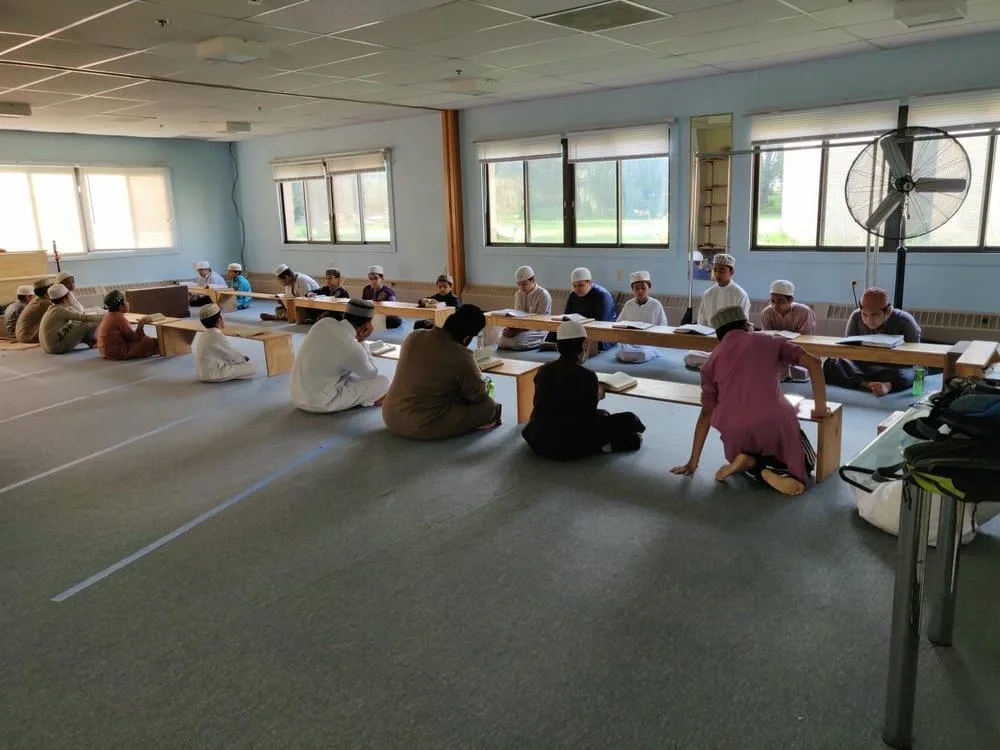
Learning joins knowledge, worship, character and compassionate attention to each student.
Our values
Our monogram expresses a system: distinct responsibilities held together by faith, trust and a commitment to generations.
The values system
The visual below uses the approved RAF monogram as its center and interprets its eight-court geometry as an institutional compass.
The center holds
The geometry is a reminder that faith, knowledge, service and trust are not separate messages. They meet in the care given to a learner, family, worshipper or neighbor.
Values in practice
Values are meaningful when they change how an institution behaves.
Learning joins knowledge, worship, character and compassionate attention to each student.
Claims remain evidence-based, giving choices remain clear and long-term capacity matters.
New institutions advance because they serve a defined need—not simply because expansion is possible.
Frequently asked questions
Clear answers about our work, programs and ways to take part.
The eight courts are interpreted as an interconnected values system: faith, knowledge, service, community, legacy, trust, unity and generations.
They guide how programs are designed, how resources are stewarded, how families are welcomed and how future projects are evaluated.
Trust means communicating honestly, governing responsibly and treating donations, knowledge, people and property as responsibilities rather than possessions.